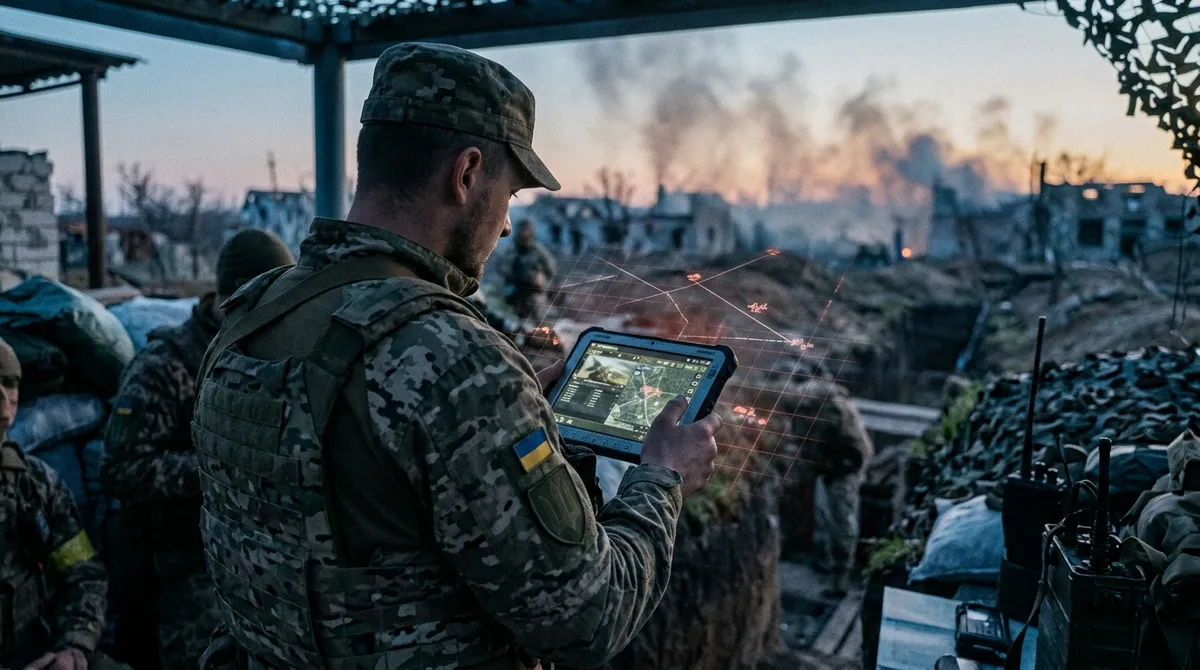
The strategic landscape in Ukraine continues to evolve as reports suggest a significant shift in military tactics. Recent developments indicate that Russian forces are employing modern warfare strategies to gain an advantage. This adaptation marks a pivotal moment in the ongoing conflict, highlighting the complexity and intensity of the situation.
Modern Warfare Tactics in Ukraine
The conflict in Ukraine has seen a transition from traditional engagements to more sophisticated military tactics. Russian forces are reportedly utilizing advanced technologies and strategic maneuvers to enhance their operational effectiveness. This includes the deployment of precision-guided munitions and electronic warfare capabilities, which are designed to disrupt and neutralize opposing forces efficiently.
Precision-Guided Munitions
One of the key elements in this strategic shift is the use of precision-guided munitions. These weapons allow for targeted strikes that minimize collateral damage while maximizing the impact on specific military targets. The precision of these munitions is a significant factor in altering the dynamics on the battlefield, providing Russian forces with a tactical edge.
Electronic Warfare Capabilities
Electronic warfare has become a crucial component of modern military operations. The ability to disrupt communications, radar systems, and other electronic platforms can significantly hinder an opponent's ability to coordinate and respond effectively. Russian forces are reportedly leveraging these capabilities to create confusion and disarray among Ukrainian troops.
The Impact on the Conflict
The incorporation of these advanced tactics is reshaping the conflict landscape in Ukraine. The use of modern warfare strategies not only enhances the operational capability of Russian forces but also complicates the defense efforts of Ukrainian troops. This dynamic is contributing to an escalation in the conflict's intensity and scope, posing new challenges for those involved.
Challenges for Ukrainian Forces
Ukrainian forces face significant challenges in countering these sophisticated tactics. The need for advanced training, updated equipment, and strategic planning is more pressing than ever. As the nature of warfare evolves, so too must the strategies and capabilities of those defending against such threats.
International Response and Implications
The international community is closely monitoring these developments, with potential implications for global security dynamics. The use of advanced military tactics in Ukraine could influence defense strategies worldwide, prompting nations to reassess their own military capabilities and readiness. This situation underscores the importance of international cooperation and dialogue in addressing the complexities of modern warfare.
The Future of the Conflict
As the conflict in Ukraine continues, the integration of modern warfare tactics will likely play a decisive role in its trajectory. Both sides may need to adapt their strategies to the evolving military landscape, emphasizing the need for innovation and resilience. The outcome of this conflict could set a precedent for future engagements, highlighting the importance of strategic foresight and adaptability.
In conclusion, the ongoing conflict in Ukraine is characterized by a significant shift towards modern warfare tactics. The use of precision-guided munitions and electronic warfare by Russian forces represents a strategic evolution that is reshaping the battlefield. This development poses new challenges for Ukrainian forces and has broader implications for international security. As the situation unfolds, the importance of adapting to these changes cannot be overstated.