
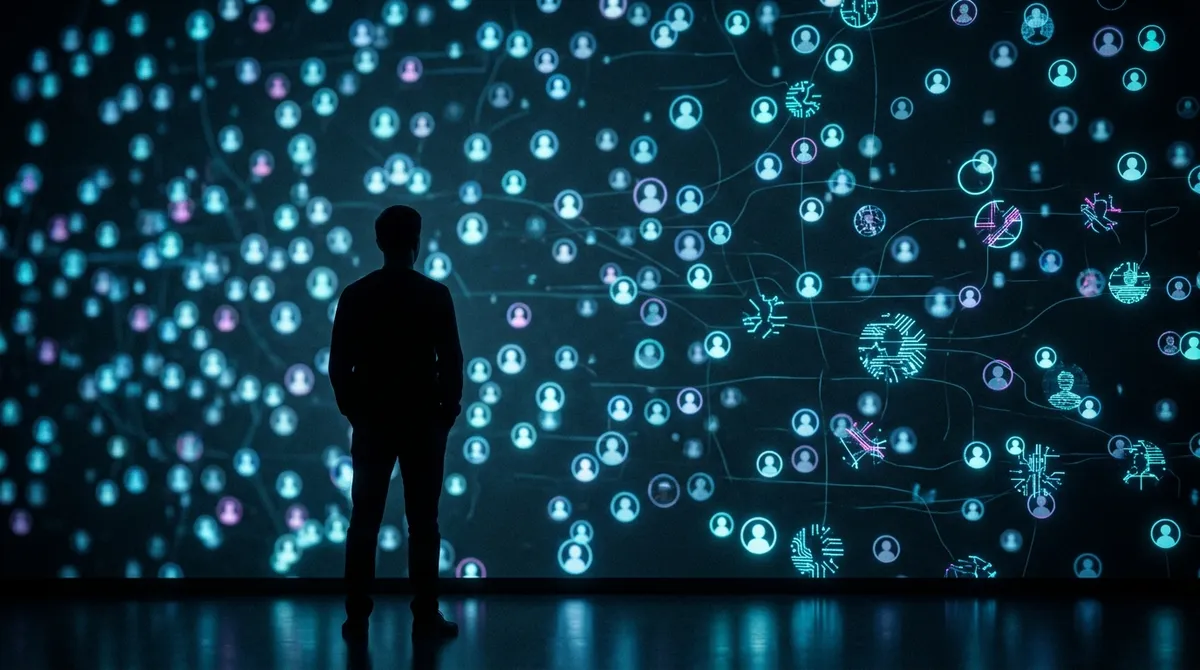
The digital landscape has evolved dramatically over the years, leading to speculations about the authenticity and liveliness of the internet as we know it today. Questions arise about whether the internet is truly alive with genuine human interaction or dominated by artificial representations and automated systems.
The 'Dead Internet' Theory Explained
The 'Dead Internet' theory posits that a significant portion of online content is generated by bots and automated scripts rather than humans. This concept suggests that what we perceive as human interactions may be largely manufactured, with some estimates indicating that non-human activity could account for more than half of online interactions.
Understanding Bots and Their Influence
Bots are software applications that perform automated tasks over the internet. While they can serve beneficial roles, such as indexing websites for search engines or providing automated customer service, they can also be used to manipulate public perception. Bots can generate fake social media accounts, fill comment sections with pre-programmed responses, and even create entire websites with misleading information.
The Role of AI in Content Creation
Artificial Intelligence (AI) plays a crucial role in the development and deployment of bots. With advancements in machine learning, AI systems can now produce content that closely mimics human writing. This raises concerns about the authenticity of the information we consume daily. AI-generated content can flood the internet with biased narratives, potentially skewing public opinion and influencing societal trends.
Impact on Social Media Platforms
Social media platforms are particularly susceptible to bot activity. Fake accounts and automated interactions can artificially inflate the popularity of certain topics or individuals, creating an illusion of widespread support or dissent. This can have real-world consequences, affecting everything from consumer behavior to political elections. Platforms are continuously developing new algorithms to combat these issues, but the battle against bot-driven manipulation is ongoing.
The Challenge of Detecting Fake Content
Identifying and removing fake content from the internet is a daunting task. Algorithms designed to detect bots often struggle to differentiate between human and machine-generated interactions, especially as AI becomes more sophisticated. This ongoing challenge complicates efforts to maintain the integrity of online discourse and ensure that genuine human voices are heard.
Why It Matters for Internet Users
The prevalence of bot-generated content impacts the trustworthiness of the internet. Users may become more skeptical of the information they encounter, leading to decreased trust in online platforms. This skepticism can affect how people interact with digital media, potentially leading to reduced engagement with legitimate content and communities.
Steps Toward a More Authentic Internet
Efforts to restore authenticity to the internet involve both technological and human-centered approaches. Enhancing algorithmic detection of bots, promoting digital literacy among users, and encouraging transparency from platforms are crucial steps. By empowering users with the tools and knowledge to discern genuine content from fake, the internet can become a more reliable and trustworthy space for information exchange.
The conversation around the 'Dead Internet' theory invites us to reflect on the nature of our digital interactions. As technology continues to evolve, it is vital to remain vigilant and informed about the forces shaping our online experiences. By prioritizing authenticity and transparency, we can work towards an internet that truly reflects human creativity and communication.