Life Behind Bars: A Different Kind of Time
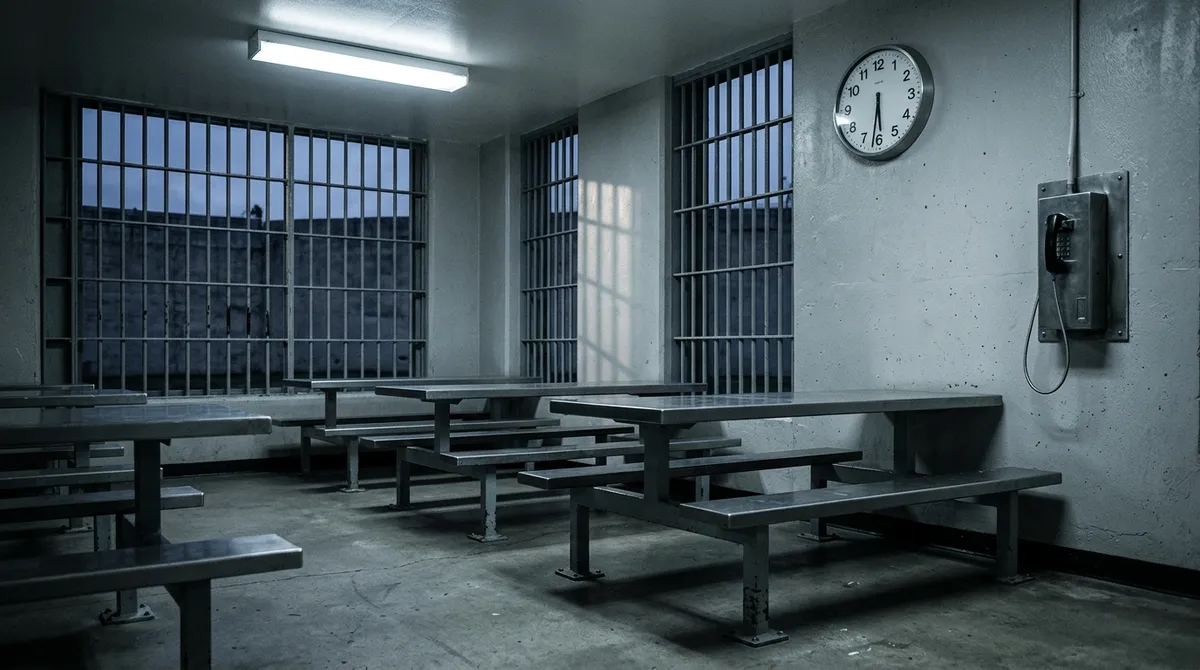
Mackenzie Shirilla, the young woman serving two concurrent life sentences for murder, recently made headlines again — not for any legal developments in her case, but for complaints about the mundane reality of prison life. In a phone call to her mother, Shirilla expressed frustration with her current circumstances, stating she's bored behind bars and struggling with the limited options available to pass time.
According to reports, Shirilla's grievances center around the basic realities of incarceration: lack of commissary access, restricted activities, and what she perceives as unfair limitations on her ability to take on prison jobs. She claims prison staff won't allow her to perform basic tasks like mopping or sweeping, leaving her with few outlets for her time.
The Irony of Boredom
The complaints present a stark irony that hasn't been lost on observers of her case. Shirilla is facing decades behind bars for the deaths of Dominic Russo and Davion Flanagan, yet her primary concern appears to be finding ways to fill the endless hours of her sentence. This disconnect between the gravity of her crimes and her current preoccupations offers a glimpse into the psychological adjustment required for life imprisonment.
For someone sentenced to spend potentially the rest of their natural life in prison, boredom becomes more than just an inconvenience — it's a fundamental challenge of existence. The structured world of incarceration, with its rigid schedules and limited choices, can feel particularly oppressive to those unaccustomed to such restrictions.
Prison Life for High-Profile Inmates
Shirilla's situation raises questions about how prison restrictions might differ for inmates convicted of serious crimes compared to the general prison population. While the exact reasons for her limited job opportunities weren't detailed in the phone call, security classifications and institutional policies often determine what activities are available to different categories of inmates.
The reality is that prison administrators must balance security concerns with rehabilitation opportunities. For someone serving a life sentence for violent crimes, certain privileges and responsibilities that might be available to other inmates could be restricted as a matter of institutional safety.
Comparison to Other Notorious Cases
Shirilla's experience contrasts with other high-profile inmates who have managed long sentences differently. The case brings to mind other famous prisoners who have found various ways to cope with extended incarceration, though each situation presents unique challenges and opportunities.
The psychology of time perception in prison is a well-documented phenomenon. Days can feel simultaneously endless and meaningless when stripped of the normal markers that give structure to civilian life. For lifers, developing coping mechanisms becomes essential for mental survival.
Ongoing Legal Battle
While Shirilla complains about her day-to-day prison experience, she continues to fight her conviction through the legal system. This ongoing battle to overturn her sentence adds another layer to her prison experience, as inmates pursuing appeals often face additional restrictions and uncertainties about their future.
The combination of fighting a conviction while simultaneously serving the sentence creates a complex psychological situation. Hope for overturned convictions must be balanced against the need to adapt to potentially permanent incarceration.
The Reality of Life Sentences
Shirilla's case remains in the true crime spotlight, with updates on her prison life drawing attention from those following her story. Her complaints about boredom serve as a reminder of the human elements within the justice system — even for those convicted of the most serious crimes.
The mundane nature of her concerns — wanting to mop floors, access commissary items, find activities — highlights how quickly the extraordinary circumstances of murder trials and sentencing give way to the ordinary struggles of daily prison life.
For Mackenzie Shirilla, the reality is that these complaints about boredom may well define the next several decades of her existence. Whether her legal appeals succeed or fail, the immediate challenge remains the same: finding ways to cope with the endless stretch of time that lies ahead behind prison walls.